 Ship Modelers Database
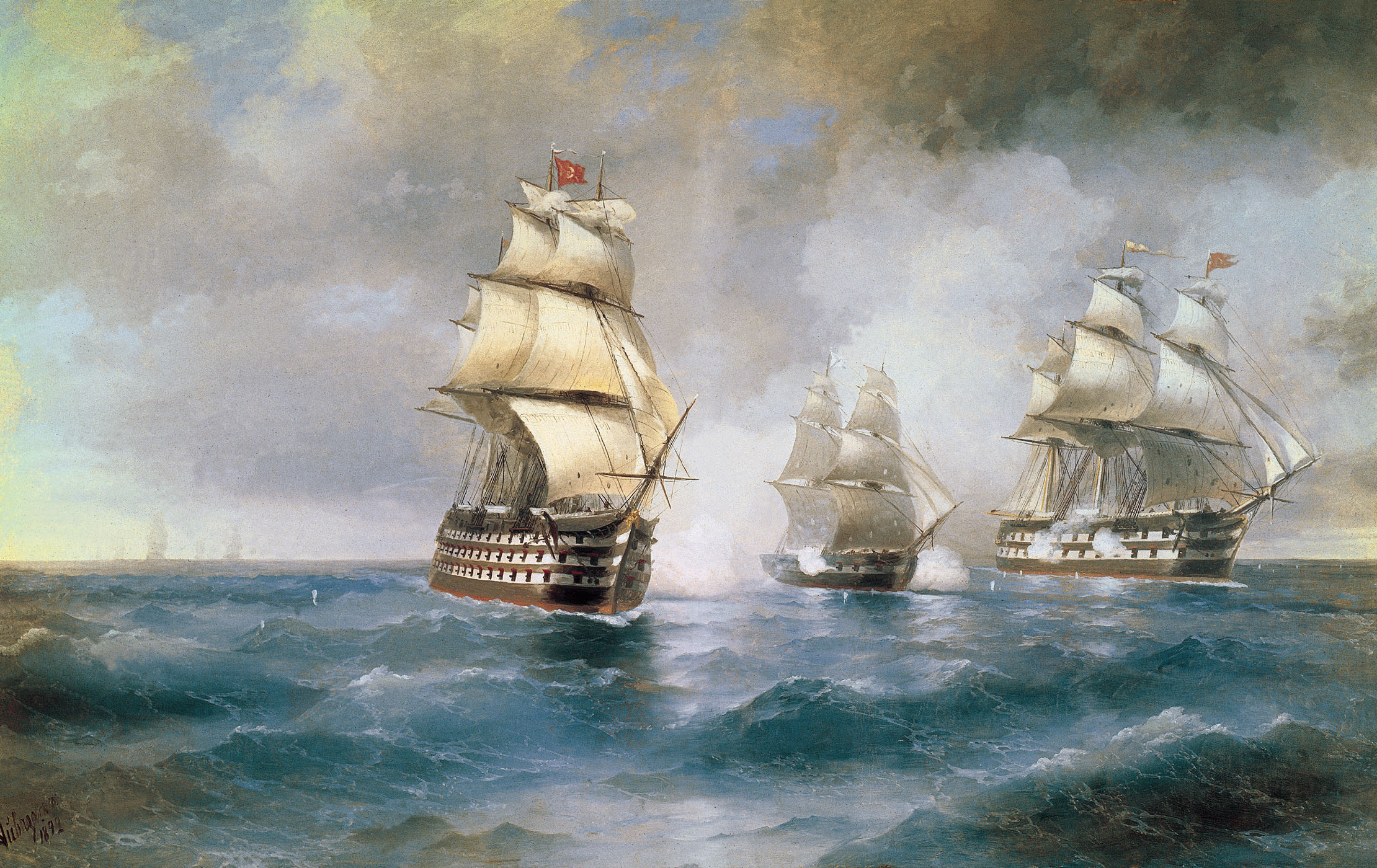
Image: Public domain (PD-Art) · commons.wikimedia.org
Russian brig Merkurii (Mercury)
Scrapped
Merkurii (Mercury) was a 20-gun brig of the Imperial Russian Navy, built at the Sevastopol shipyard and famed for an extraordinarily lopsided single-ship action against two Ottoman ships of the line during the Russo-Turkish War of 1828-1829. The episode made Mercury one of the most celebrated small warships in Russian naval history and a frequent subject of naval art.
Kits of this ship
+ Add a kit| Mercury - Russian Brig (Victory Models) | Amati | 1:64 (3/16 in=1 ft, S) | Plank-on-Frame | Available | |
| Mercury - Russian Brig (plastic kit) | Zvezda | 1:100 | Injection-Molded Plastic | Available |
Plans
No plan sets listed for this ship yet. Know of museum, archive or publisher drawings? Add them so the next builder can find them.
Links go to the publisher's or museum's own page. Ship Modelers Database lists plan sets; it doesn't host or display the drawings.
Build logs
+ Link a build logNo build logs linked yet.
Resources
+ Submit a resourceHistory & specifications
- Wikipedia: Russian brig MerkuriiWebsite
Overview article with full specifications, crew list, battle account, and list of commemorative artworks - primary reference for the ship's details.
Photos
- Wikimedia Commons: Aivazovsky's 1892 painting of Brig MercuryPhoto
Public domain (PD-Art) file page for Aivazovsky's dramatic painting of the brig's famous 1829 battle, useful as a reference image for modelers.
- Wikimedia Commons: Category - Mercury (ship, 1820)Photo
Collection category gathering period paintings, monuments, and other imagery related to the brig, useful for sourcing additional reference visuals.
History
Specifications
The brig was laid down on 9 February 1819 and launched on 19 May 1820, built of Crimean oak. She displaced about 445 tonnes, measured roughly 29.5 m in length with a 9.4 m beam and 4.2 m draught, and carried a sail plan of about 856 sq m across two square-rigged masts, supplemented by fourteen oars for maneuvering in light winds. Armament consisted of eighteen 24-pounder carronades and two 3-pounder long guns, with a complement of around 115 men.
Service history
On 26 May 1829 (14 May O.S.), while sailing back toward friendly waters with two other Russian ships, Mercury was run down by a much larger Turkish fleet because of light winds. Pursued by a Turkish fleet (6 ships of the line, 2 frigates, 2 corvettes, 1 brig, and 3 tenders), the Russian brig Merkuriy engaged in a lopsided battle with the ships of the line Selimiye (110 guns) and Riyala Bey (74 guns) near the Bosporus Strait. As a result of the battle, the brig took 12 casualties, including 4 killed and 8 wounded, with damage including 22 hull breaches, 133 sail plan breaches, 16 spar breaches, and 148 instances of rigging damage, and the loss of all ship's boats. Her crew, commanded by Kapitan-leytenant Aleksandr Kazarsky, concentrated fire on the pursuers' rigging and spars, crippling their ability to give chase and allowing Mercury to escape. The brig remained in service for nearly three more decades before being decommissioned and scrapped in 1857.
Notable facts
The battle made Kazarsky a national hero and inspired a tradition in the Russian/Soviet navy of a ship named "Pamiat Merkuriya" (In Memory of Mercury) always being kept in the fleet. Marine painter Ivan Aivazovsky depicted the brig in at least three major canvases, most famously the dramatic (and historically debated) 1892 painting showing Mercury boxed between the two giant Turkish ships of the line; other 19th- and early 20th-century Russian artists, including Tkachenko, also painted the engagement. The ship's shallow draught and oar propulsion, intended for Caucasus coastal patrol duty, proved crucial to her survival tactics during the famous fight.