 Ship Modelers Database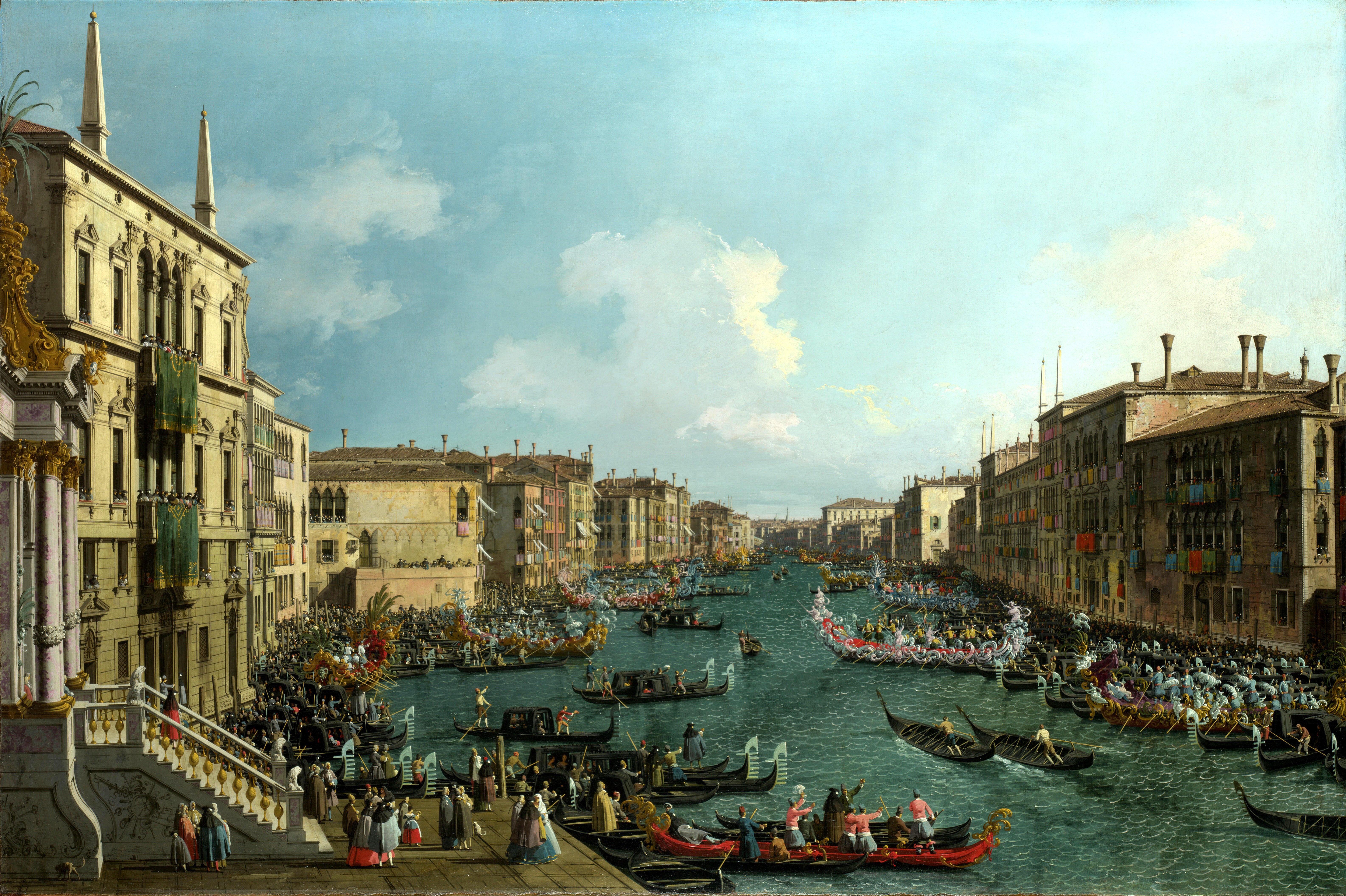
Image: Public domain (PD-Art; Canaletto died 1768) · commons.wikimedia.org
Venetian Gondola
Active (traditional type still built and used today)
The gondola is the traditional flat-bottomed rowing boat of Venice, long the city's principal means of transport through its canals and still an enduring symbol of the Venetian lagoon. For a modeling reference it represents not a single named vessel but an entire centuries-old boat type, so the "17th Century" period here reflects the classic design era most commonly depicted, rather than one dated hull.
Kits of this ship
+ Add a kitNo kits listed for this ship yet.
Plans
No plan sets listed for this ship yet. Know of museum, archive or publisher drawings? Add them so the next builder can find them.
Links go to the publisher's or museum's own page. Ship Modelers Database lists plan sets; it doesn't host or display the drawings.
Build logs
+ Link a build logNo build logs linked yet.
Resources
+ Submit a resourceHistory & specifications
- Wikipedia: GondolaWebsite
Overview of the gondola's history, construction, use of the felze cabin, and modern decline in numbers, useful general background for a modeler.
Museums & archives
- Royal Museums Greenwich: Venice Gondolas in Canaletto's PaintingsMuseum
Museum article on how gondolas appear in Canaletto's and other artists' works, with detail on the felze cabin and gondolas as status symbols.
Photos
- Wikimedia Commons: Canaletto, Regatta on the Canale GrandePhoto
Public-domain Canaletto painting showing numerous period Venetian gondolas on the Grand Canal, used as the reference image.
History
Specifications
A gondola is propelled and steered by a single standing oarsman using one oar in an asymmetric hull, a design that compensates for the lack of a second rower. For centuries gondolas came in various colors and decorative schemes until a Venetian sumptuary law required them to be painted black, the custom that continues today. Until the early 20th century many were fitted with a small cabin called a felze, which had louvered shutters that are considered the origin of the "Venetian blind."
Service history
The gondola has existed in Venice since the 11th century, first mentioned by name in 1094, and for centuries was the dominant form of water transport in a city built on canals. In the Baroque and Renaissance periods wealthy Venetian families used elaborately appointed gondolas as private status symbols, with the felze cabin offering privacy for its passengers. Today the type survives mainly in reduced numbers as gondolier-poled traghetti ferries across the Grand Canal, in ceremonial regattas, and overwhelmingly as a fixture of the tourist trade.
Notable facts
There are only around 400 licensed gondoliers operating today, down from many thousands of boats that once worked the canals, and the profession is controlled by a guild with a lengthy apprenticeship and comprehensive exam. The removal of the felze cabin in the 20th century, reportedly in response to tourists wanting an unobstructed view, left only a vestigial summer awning called the tendalin on some boats into the mid-20th century. The gondola's asymmetric hull and single-oar propulsion, rather than poling as popularly believed, are details worth getting right in any scale model given the lagoon's deep waters.