 Ship Modelers Database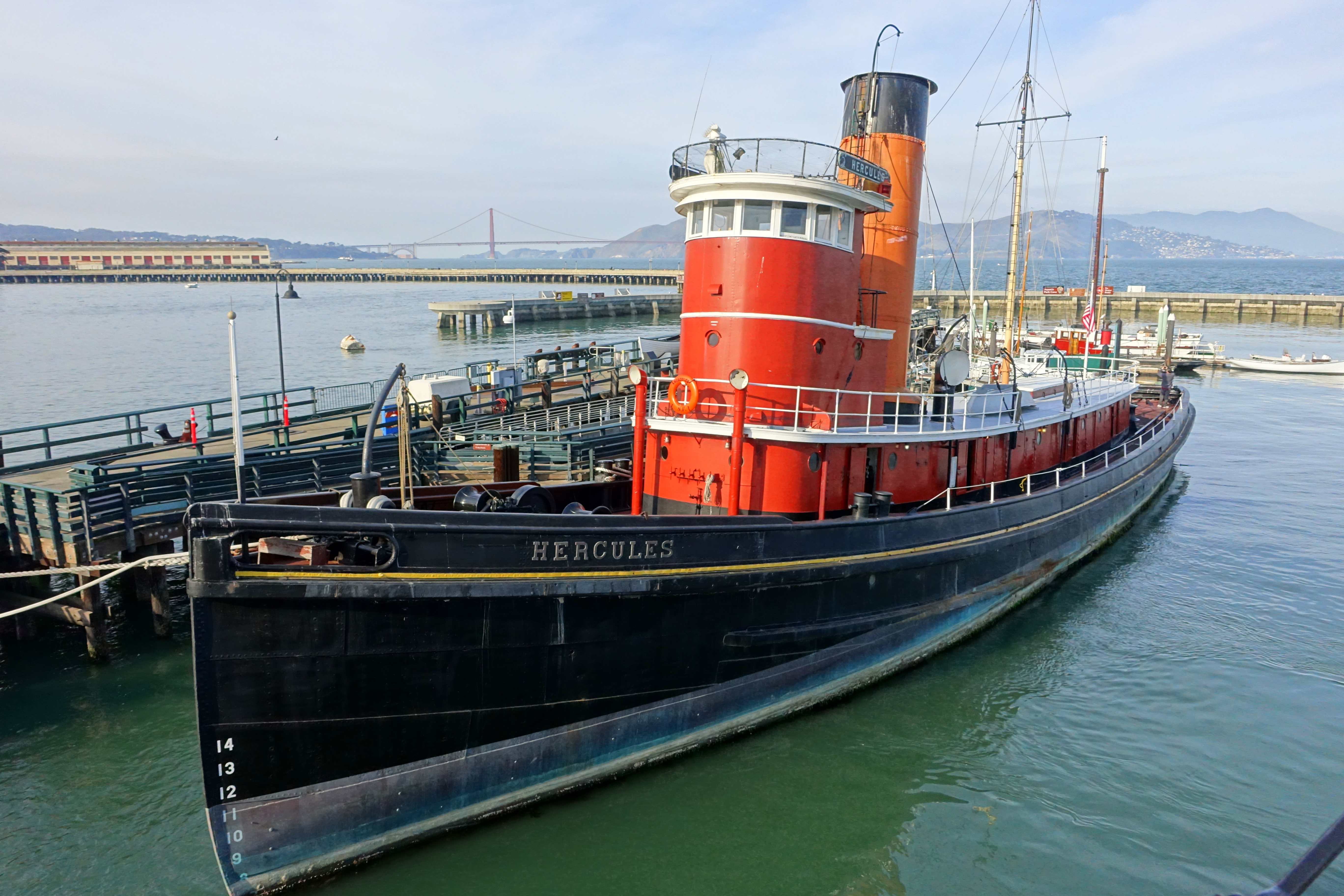
Tugboat (Generic)
- Type
- Tugboat
- Period
- 20th Century
- Nation
- United States
Overview: This record represents a generic American steam harbor tugboat of the type that worked in virtually every U.S. port and tidal waterway around the turn of the 20th century, rather than a single named vessel. It stands in for the common wooden or steel-hulled, coal-fired screw tug that towed barges, schooners, and ships in and out of harbors from the late 1800s through the mid-20th century. Specifications: Typical harbor steam tugs of this era ran roughly 60-90 feet in length, displaced well under 100 gross tons, and were powered by a single or compound reciprocating steam engine driving a single screw propeller, with a coal-fired boiler amidships. As a real-world benchmark, the preserved harbor tug Baltimore (1906) has an 84.5-foot wrought-iron hull, displaces 81 gross tons, and is fitted with a compound reciprocating steam engine fed by a Scotch marine boiler. Distinctive recognition features for modelers include a low, round or boxy pilothouse forward, a tall single funnel, a stubby foremast for cargo/towing gear, and heavy timber or rubber fendering around the bow and sides. Service History: Steam tugs of this generic class handled ship-docking, barge towing, ice-breaking, and harbor utility work; larger seagoing versions towed strings of coal and lumber schooner-barges along the coast. The oceangoing tug Hercules, for example, spent her early career towing sailing ships, log rafts, and barges between Pacific ports and even helped transport equipment for the Panama Canal. By the early-to-mid 20th century, gasoline and diesel engines steadily replaced steam power in harbor and coastal tug fleets because internal combustion engines could start far more quickly than a steam plant, which required hours to raise boiler pressure. Notable Facts: A handful of steam tugs of this generic type have been preserved as museum vessels rather than scrapped, giving modelers accurate reference examples; the Baltimore Museum of Industry's tug Baltimore (built 1906) and San Francisco Maritime National Historical Park's Hercules (built 1907) are two of the best-documented American survivors. Hercules is notable for having been built for the Shipowners' and Merchants' Tugboat Company's Red Stack Fleet and for towing her sister ship Goliah under her own power via the Strait of Magellan from New Jersey to San Francisco upon completion. Baltimore is formerly the oldest operating steam tugboat in the United States, but no longer holds a Coast Guard operating license and her hull is not capable of operating on open water. These preserved vessels are useful references for scratch-builders or kit modelers seeking authentic deck fittings, towing bitts, and pilothouse details for a generic turn-of-the-century American steam tug.
Kits of this ship
| Taurus | Model Shipways | 1:96 (1/8 in=1 ft) | Available |
Build Logs
+ Link a build logNo build logs linked yet.
Resources
+ Submit a resource- Wikimedia Commons: Tugboat FAVORITE in Puget Sound, Washington, ca 1900Museum
Public-domain circa-1900 photograph of a typical American steam harbor tug, useful as a visual reference for hull form, funnel, and pilothouse proportions.
- Wikipedia: Baltimore (tug)Website
Overview of the preserved 1906 steam tug Baltimore, a National Historic Landmark museum ship useful as a real-world reference for deck layout and dimensions.
- NPS: Explore the Historic Ocean Tugboat HerculesArticle
National Park Service release on the preserved 1907 steam ocean tug Hercules, the last surviving American steam ocean tug, useful for construction and layout detail.
- Bay Crossings: New York Harbor HistoryArticle
History of steam tug operations in New York Harbor, including the shift from steam to diesel power in the mid-20th century.
- Boating Industry: History of TugboatsArticle
General history of tugboat propulsion evolution from steam to diesel, useful background for dating and detailing a generic steam tug model.
- Wikipedia: Hercules (1907 ship)Website
Overview of the preserved 1907 oceangoing steam tug Hercules, her construction, towing career, and preservation at San Francisco Maritime NHP; useful benchmark for a generic seagoing steam tug.
- Baltimore Museum of Industry: Steam Tug BaltimoreMuseum
Museum's own exhibit page with hull, engine, and boiler specifications for the preserved tug Baltimore, useful for scratch-building deck and machinery details.
- Wikimedia Commons: Hercules at Hyde Street Pier (DSC02128)Museum
CC0-licensed photograph of the preserved 1907 steam tug Hercules moored at Hyde Street Pier, a good reference image of an authentic generic-type American steam tug.
- National Register #75000225: Hercules Steam TugboatArticle
National Register listing summarizing Hercules's builder, sister ship Goliah, and towing service, useful historical context for modelers.