 Ship Modelers Database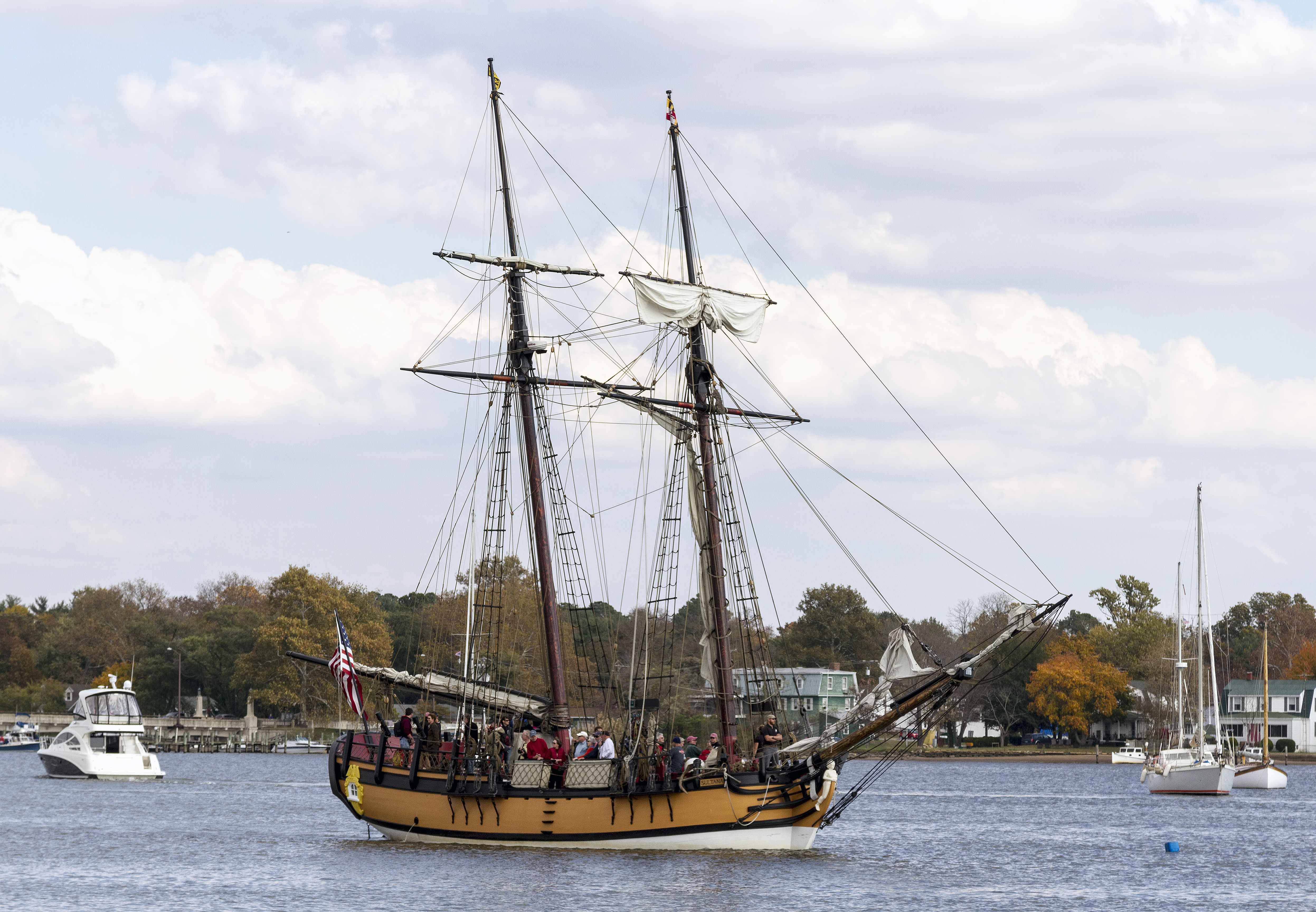
Sultana
- Type
- Schooner
- Period
- 18th Century
- Nation
- United States
Overview: Sultana was a small merchant schooner built in Boston in 1767 by shipwright Benjamin Hallowell, purchased into the Royal Navy in 1768 to serve as a customs/revenue cutter enforcing the Townshend Acts along the American colonial coast. She is exceptionally well documented for a vessel of her size and era, with surviving Admiralty draughts, logbooks, muster books, and correspondence, making her a favorite subject for modelers seeking documented accuracy. Specifications: Admiralty records give her at roughly 52 tons burthen, about 50 ft 6 in on deck (38 ft 5 1/8 in keel), 16 ft beam, and 8 ft 4 in depth of hold, with a complement of 25. Her armament was unusually light for a naval vessel: eight half-pounder swivel guns rather than carriage guns, reflecting her role as a fast customs patrol boat rather than a combatant. The Royal Museums Greenwich holds both a contemporary Admiralty plan taken off her lines in 1768 and a modern builder's-style full-hull model at 1:48 scale, both useful references for hull form and rigging. Service History: The Royal Navy purchased her for £292 9s 0d from Sir Thomas Hesketh on 18 March 1768, one of six Marblehead-built schooners bought for revenue service. She patrolled the American coast from 1768 through 1772, ranging from Nova Scotia and Boston down through the Chesapeake, Delaware, and Narragansett Bays enforcing customs duties and searching vessels for smuggled goods, before being retired and sold in 1773 as colonial unrest escalated toward the Revolution. Notable Facts: With an overall deck length of only about 53 feet, the twin-masted Sultana is often cited as the smallest schooner ever to serve in the Royal Navy. A full-scale replica, built from the traced 1768 Admiralty survey drawings (via Howard I. Chapelle's lines), was launched in Chestertown, Maryland in 2001 and today sails the Chesapeake Bay as a floating classroom; it differs from the original in having a diesel auxiliary engine, a lead ballast keel, Coast Guard-compliant modifications, and only four guns instead of eight. The same Chapelle lines also loosely inspired another modern vessel, the junk-rigged schooner Larinda.
Kits of this ship
| Slutana | Model Shipways | 1:64 (3/16 in=1 ft, S) | Available |
Build Logs
+ Link a build logNo build logs linked yet.
Resources
+ Submit a resource- Wikipedia: HMS Sultana (1768)Website
Core historical reference with builder, dimensions, armament, service dates, and detail on the modern replica's construction differences.
- Royal Museums Greenwich: Sultana (1768) Model RecordMuseum
Museum catalog entry describing a 1:48 scale model of Sultana and the surviving original Admiralty plan, useful for modelers.
- Tall Ships America: Sultana Vessel ProfileWebsite
Overview of the modern replica's mission and history as a full-scale reproduction and educational tall ship.
- Wikimedia Commons: Chestertown, Maryland Category (Schooner Sultana photos)Website
Contains public-domain NARA photographs of the modern Sultana replica moored on the Chester River, suitable for reference imagery.
- Sultana Education Foundation: Schooner SULTANAWebsite
Operator's own page on the replica ship's current educational role and program history.
- RMG Collections: Sultana (1768) Admiralty draughtPlans
Original 1768 Admiralty plan of Sultana's body plan, sheer lines, and deck, signed by Master Shipwright Adam Hayes.
- Sultana Education Foundation: Pocket Guide to SultanaArticle
Guide to the 1768 reproduction schooner covering original service history and replica construction details.
- National Park Service: Schooner SultanaWebsite
NPS Chesapeake Gateways entry describing the modern replica's educational mission on the Chesapeake Bay.
- Wikimedia Commons: Sultana on the Chester RiverWebsite
CC-licensed photograph of the modern Sultana replica underway, useful as a visual reference for rig and hull appearance.