 Ship Modelers Database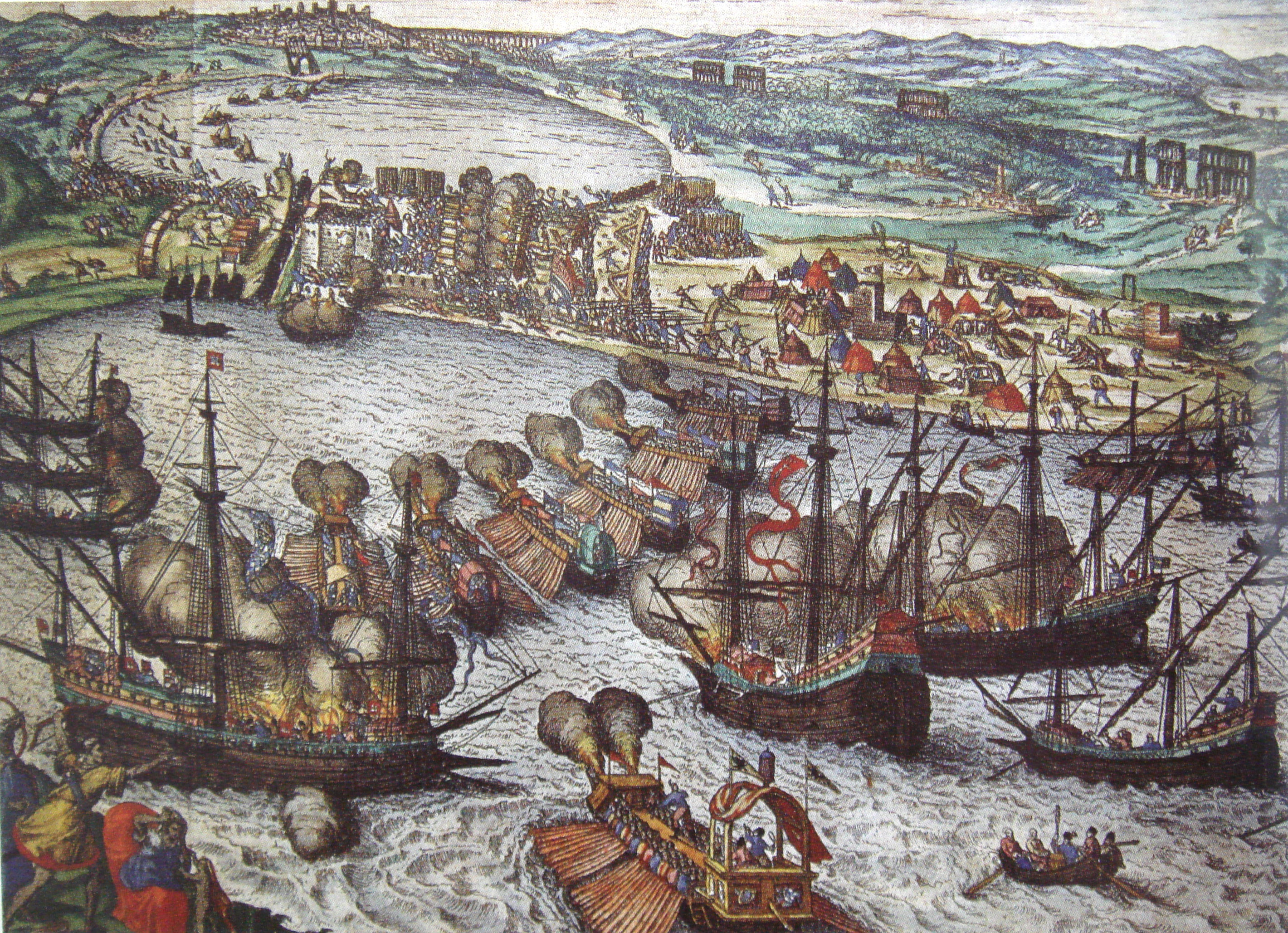
São João Baptista (Botafogo)
- Type
- Galleon
- Period
- 16th Century
- Nation
- Portugal
Overview: São João Baptista, nicknamed "Botafogo" (Spitfire), was a Portuguese galleon built in Lisbon in the early 1530s and is traditionally regarded as one of the largest and most heavily armed warships in the world at the time of its construction. Its enduring fame comes from its role in the 1535 Christian conquest of Tunis and from an indirect naming legacy: a gunner aboard nicknamed "Botafogo" later gave his name to the Botafogo district of Rio de Janeiro (and eventually the football club). Specifications: Sources credit the ship with a burthen of roughly 1,000 tons and an extraordinary armament reported at 366 bronze guns, including pieces mounted in high stern and bow castles, laid down 29 August 1533 and launched 24 June 1534 at Portas do Mar, Lisbon, under master shipwright João Galego. It reportedly carried a mixed complement of musketeers, sword-and-buckler soldiers, and artillery gunners numbering in the hundreds, and was fitted with a heavy iron-reinforced ram/spur at the bow. Service History: The galleon served in Atlantic convoy duty before its most famous action, the 1535 Conquest of Tunis, where it bombarded the fortress of La Goletta as part of Emperor Charles V's allied fleet; tradition holds that its bow spur broke the harbor chain defending La Goletta, and Genoese admiral Andrea Doria is said to have inspected the ship and praised its strength. By 1550 the "old and very famous galleon" was dispatched to Brazil in support of the colony of Salvador, and in 1551 it was dismantled at Pernambuco, its iron fittings and ammunition salvaged by colonists. Notable Facts: The ship was commanded during the Tunis campaign by Infante Luís, Duke of Beja, brother of King John III of Portugal and brother-in-law of Charles V, underscoring its status as a flagship-class vessel. Its gunner, João de Sousa Pereira, took on the "Botafogo" nickname himself and carried it to Brazil, where the Portuguese Crown granted him land in what is now Rio de Janeiro's Botafogo neighborhood — a naming legacy that long outlived the ship itself.
Kits of this ship
No kits linked yet.
Build Logs
+ Link a build logNo build logs linked yet.
Resources
+ Submit a resource- Wikipedia: Portuguese galleon São João BaptistaWebsite
Overview article covering construction, armament, and service history including the Conquest of Tunis; primary reference for specs and career.
- Wikimedia Commons: Battle of Tunis 1535 Attack on Goletta (tapestry, after Vermeyen)Museum
Public-domain reproduction of a period tapestry design (after Jan Cornelisz. Vermeyen) depicting the 1535 attack on La Goletta in which the galleon took part; useful visual reference for period rigging and fleet composition.
- Wikipedia: Botafogo (Rio de Janeiro neighborhood)Website
Explains the naming link between the galleon's gunner João de Sousa Pereira 'Botafogo' and the Rio de Janeiro district, useful background on the ship's cultural legacy.