 Ship Modelers Database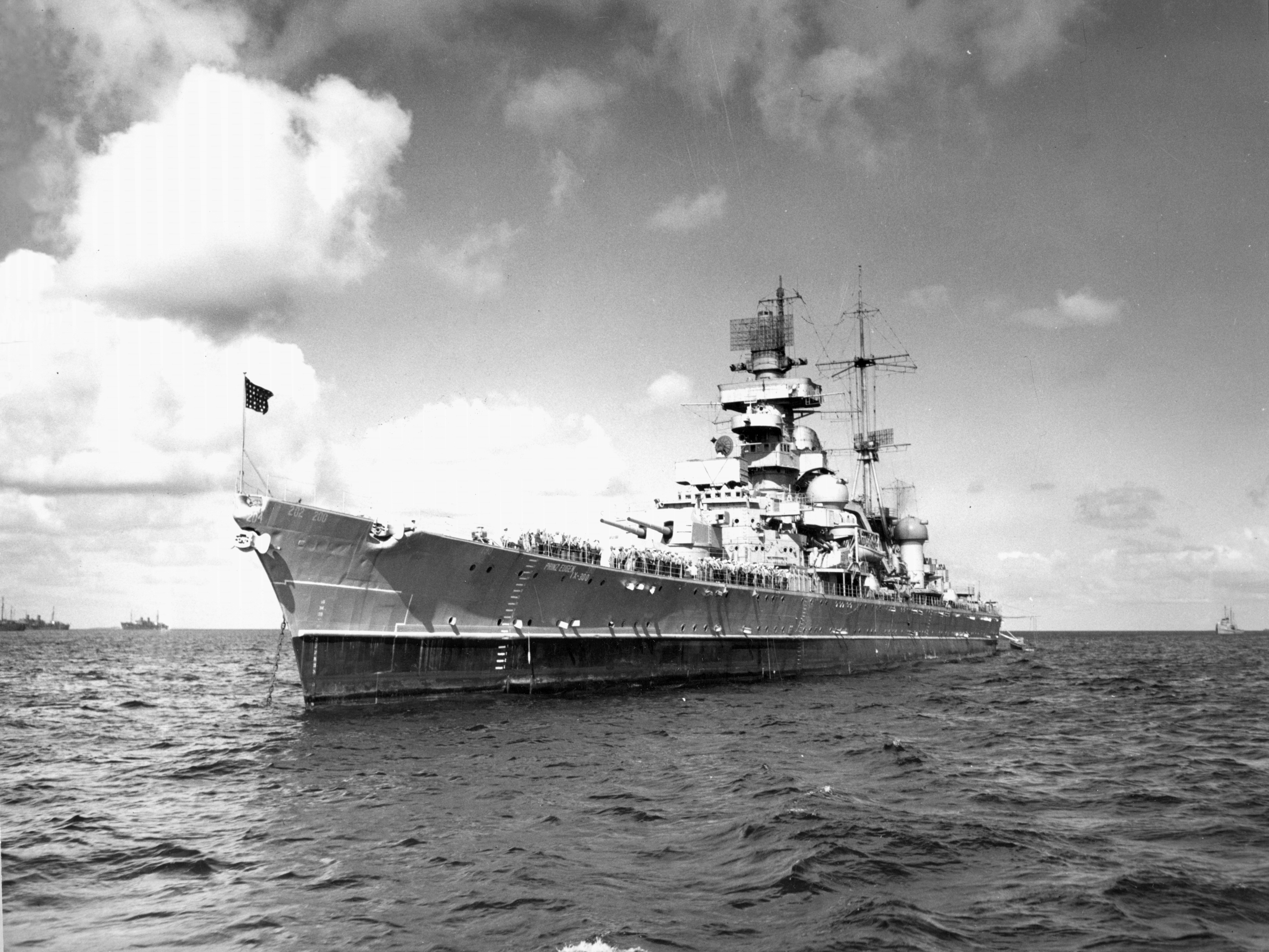
Prinz Eugen (heavy cruiser)
- Type
- Heavy Cruiser
- Period
- 20th Century
- Nation
- Germany
Overview: Prinz Eugen was an Admiral Hipper-class heavy cruiser of Nazi Germany's Kriegsmarine, the third of five ships in the class, and the only one to survive the war intact. She is best known for accompanying the battleship Bismarck during Operation Rheinübung in May 1941, taking part in the sinking of HMS Hood and the damaging of HMS Prince of Wales at the Battle of the Denmark Strait. Specifications: As built, Prinz Eugen had a design displacement of 16,970 t (full load 18,750 long tons), an overall length of 212.5 m after her clipper bow was fitted, a beam of 21.7 m, and a top speed of 32 knots. She carried a main battery of eight 20.3 cm (8 in) guns, twelve 10.5 cm secondary guns, numerous light AA guns, twelve 53.3 cm torpedo tubes, and could embark three Arado Ar 196 floatplanes launched from a single catapult. Service History: Commissioned in August 1940, she fought alongside Bismarck in May 1941 before being detached to raid shipping, an effort cut short by engine trouble; she then made the famous "Channel Dash" (Operation Cerberus) back to Germany in February 1942 alongside Scharnhorst and Gneisenau. She was later torpedoed off Trondheim by the British submarine Trident, repaired, and used for training and, in 1944–45, shore bombardment against advancing Soviet forces in the Baltic before surrendering to the British Royal Navy and then being ceded to the US Navy in May 1945. Notable Facts: Ceded to the United States after the war as USS Prinz Eugen (IX-300), she was used as a target ship in the Operation Crossroads atomic bomb tests at Bikini Atoll in 1946, surviving both blasts while suffering only light damage but becoming heavily contaminated with radioactive fallout. She was towed to Kwajalein Atoll, where an unrepaired leak (left unaddressed due to radiation danger) caused her to capsize and sink at her moorings on 22 December 1946. Her wreck remains partially visible above the surface at Kwajalein today, with one of her salvaged screw propellers on display at the Laboe Naval Memorial in Germany — a detail of interest to modelers comparing her final hull condition to her wartime appearance.
Kits of this ship
No kits linked yet.
Build Logs
+ Link a build logNo build logs linked yet.
Resources
+ Submit a resource- Wikipedia: German cruiser Prinz EugenWebsite
Comprehensive overview of design, specifications, wartime service, and postwar fate; good baseline reference for modelers.
- KBismarck.com: Heavy Cruiser Prinz EugenArticle
Detailed war diary and service history focused on the Bismarck sortie and Channel Dash, useful for build/diorama context.
- Wikimedia Commons: Cruiser Prinz Eugen Transiting the Panama Canal, March 1946Museum
US Navy/NARA photograph (public domain) showing the ship's postwar configuration as USS Prinz Eugen before Operation Crossroads.
- Wikipedia: Admiral Hipper-class cruiserWebsite
Class-wide design, armament, and machinery details comparing Prinz Eugen to her sister ships, helpful for distinguishing class variations relevant to modeling accuracy.
- Wikipedia: Operation CrossroadsWebsite
Details on Prinz Eugen's role as a target ship in the 1946 Bikini Atoll atomic tests and her eventual capsizing at Kwajalein, relevant for her final, as-displayed hull condition.