 Ship Modelers Database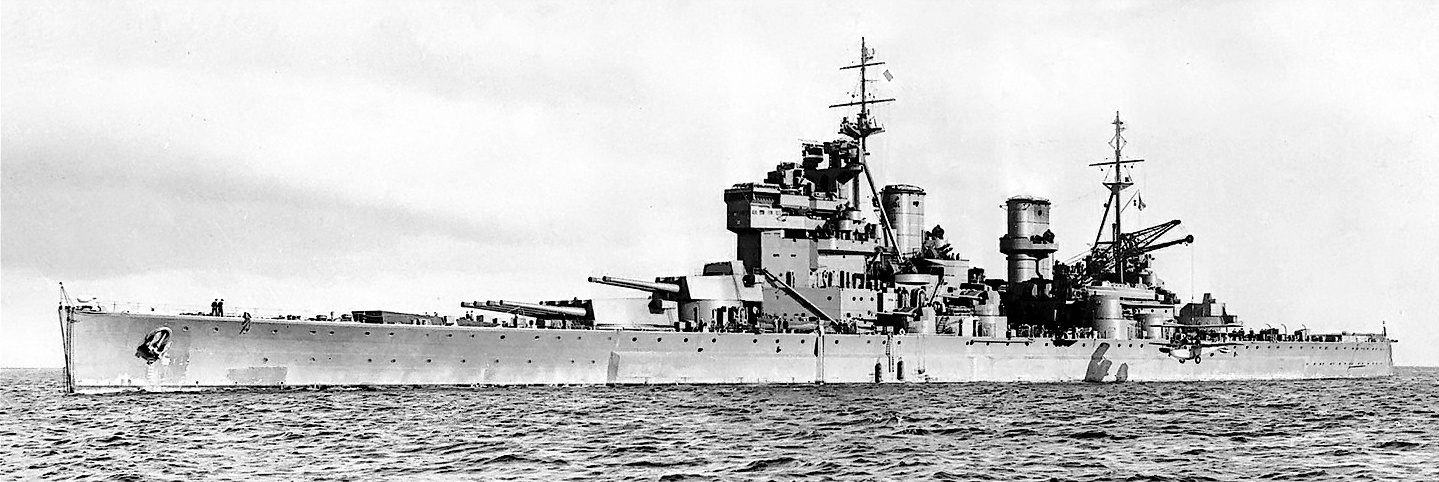
Image: Public domain (Official U.S. Navy Photograph) · commons.wikimedia.org
HMS Prince of Wales (1941)
Sunk
HMS Prince of Wales was a King George V-class battleship of the Royal Navy, one of the most modern British capital ships of World War II, famous both for her duel with the German battleship Bismarck and for her loss to Japanese land-based aircraft off Malaya just three days after Pearl Harbor.
Kits of this ship
+ Add a kitNo kits listed for this ship yet.
Plans
No plan sets listed for this ship yet. Know of museum, archive or publisher drawings? Add them so the next builder can find them.
Links go to the publisher's or museum's own page. Ship Modelers Database lists plan sets; it doesn't host or display the drawings.
Build logs
+ Link a build logNo build logs linked yet.
Resources
+ Submit a resourceHistory & specifications
- Wikipedia: Battle of the Denmark StraitArticle
Covers the engagement with Bismarck and Prinz Eugen, including gunnery and radar details relevant to modeling her wartime appearance.
- Wikipedia: HMS Prince of Wales (53)Website
Comprehensive article covering construction, specifications, armament, and full service history of the ship.
- Wikipedia: Sinking of Prince of Wales and RepulseArticle
Detailed account of the final battle and sinking off Malaya, useful for understanding the ship's last configuration and damage.
Photos
- Wikimedia Commons: HMS Prince of Wales (1941) galleryPhoto
Image gallery hosting period photographs of the ship, including the source image used here.
History
Specifications
She displaced roughly 36,727 long tons as built and up to 43,786 long tons fully loaded, with an overall length of about 745 feet (227.1 m), a beam of 103 feet (31.4 m), and a draught around 29–34 feet depending on load. Main armament was ten 14-inch guns in two quadruple and one twin turret, backed by sixteen 5.25-inch dual-purpose secondary guns in eight twin mounts; she could make roughly 28 knots on Parsons geared turbines fed by eight Admiralty boilers.
Service history
Completed in March 1941, she fought in the Battle of the Denmark Strait that May, scoring hits on Bismarck before mechanical gun trouble forced her to break off. She later carried Winston Churchill across the Atlantic for the Atlantic Charter conference with Franklin Roosevelt, escorted a Malta-bound convoy (Operation Halberd) against Italian air attack, and was finally sent to Singapore as flagship of Force Z, where she was sunk by Japanese torpedo and level bombers on 10 December 1941 alongside the battlecruiser HMS Repulse.
Notable facts
Originally intended to be named King Edward VIII, she was renamed Prince of Wales after the abdication of Edward VIII. Her loss, together with Repulse, was historically significant as the first time capital ships actively maneuvering and defending themselves at sea were sunk solely by air power, a result later analyzed in detail by naval architects studying the wreck.